
EMILY DICKINSON HOUSE
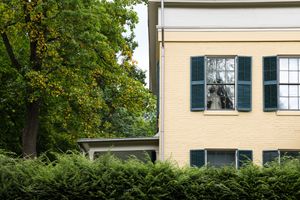
Emily Dickinson House Museum in Amherst, MA
EMILY DICKINSON
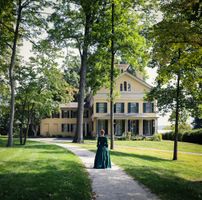
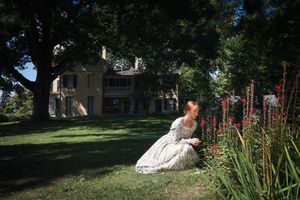
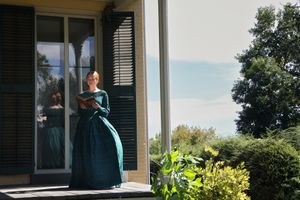
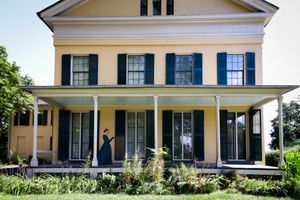
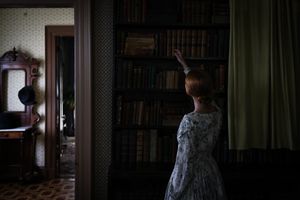
Emily Dickinson drew inspiration from loss, death, nature, love, and the human experience. I explore many of these same themes in my photography. Her home was a safe haven that held her securely, allowing her imagination to roam freely beyond its walls. Creating these photographs in the very space where she found shelter and wrote some of the most influential poetry ever made was an immense honor.
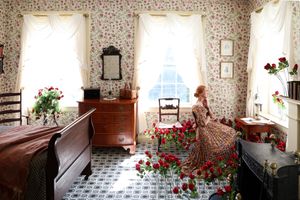
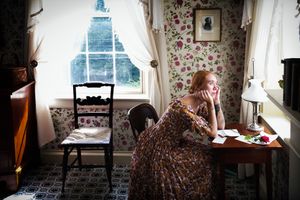
One of my favorite images shows Dickinson at her desk, with roses from her actual bedroom wallpaper pattern springing to life around her. Her mind expanded infinitely within that small room – maybe even because of that seclusion.
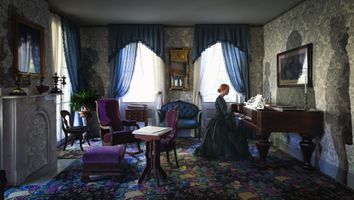
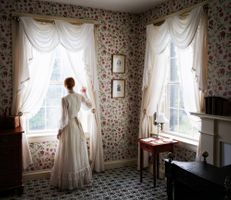
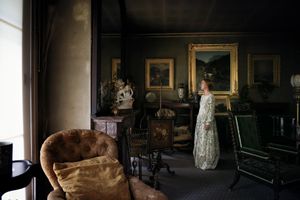
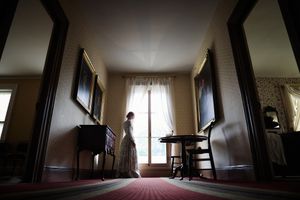
In the parlor shot, darkening shadows represent all the people she lost. These absences shaped her poetry, and I wanted to show how grief filled the spaces around her, becoming almost solid.
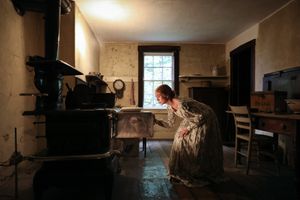
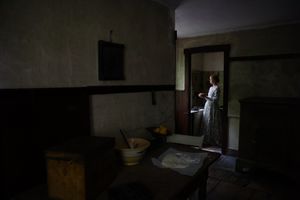
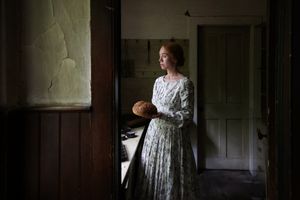
Emily Dickinson's domestic role was baking bread, more fitting to her times than being a poet. Yet she found joy in this everyday task while feeling separate in so many ways.
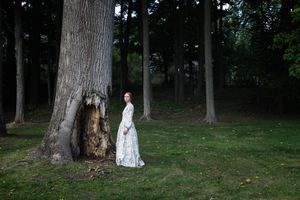
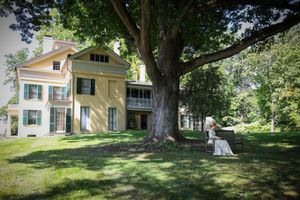
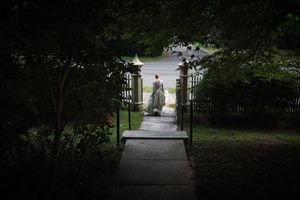
The tree we found on the grounds holds life, death and decay in one overwhelming presence – the perfect embodiment of Dickinson's fixation on nature's cycles. Standing there, I felt connected to her vision of the natural world – beautiful, terrifying, and endlessly mysterious.